

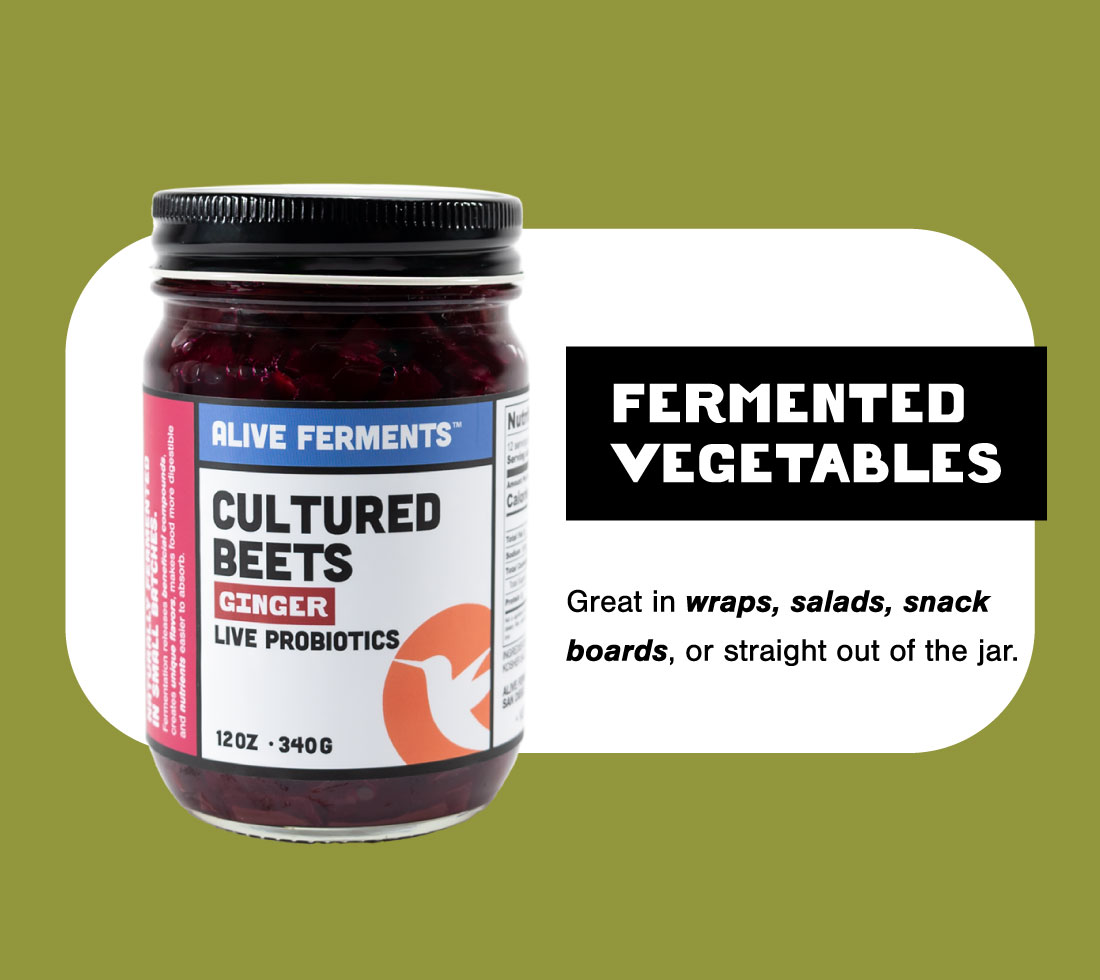
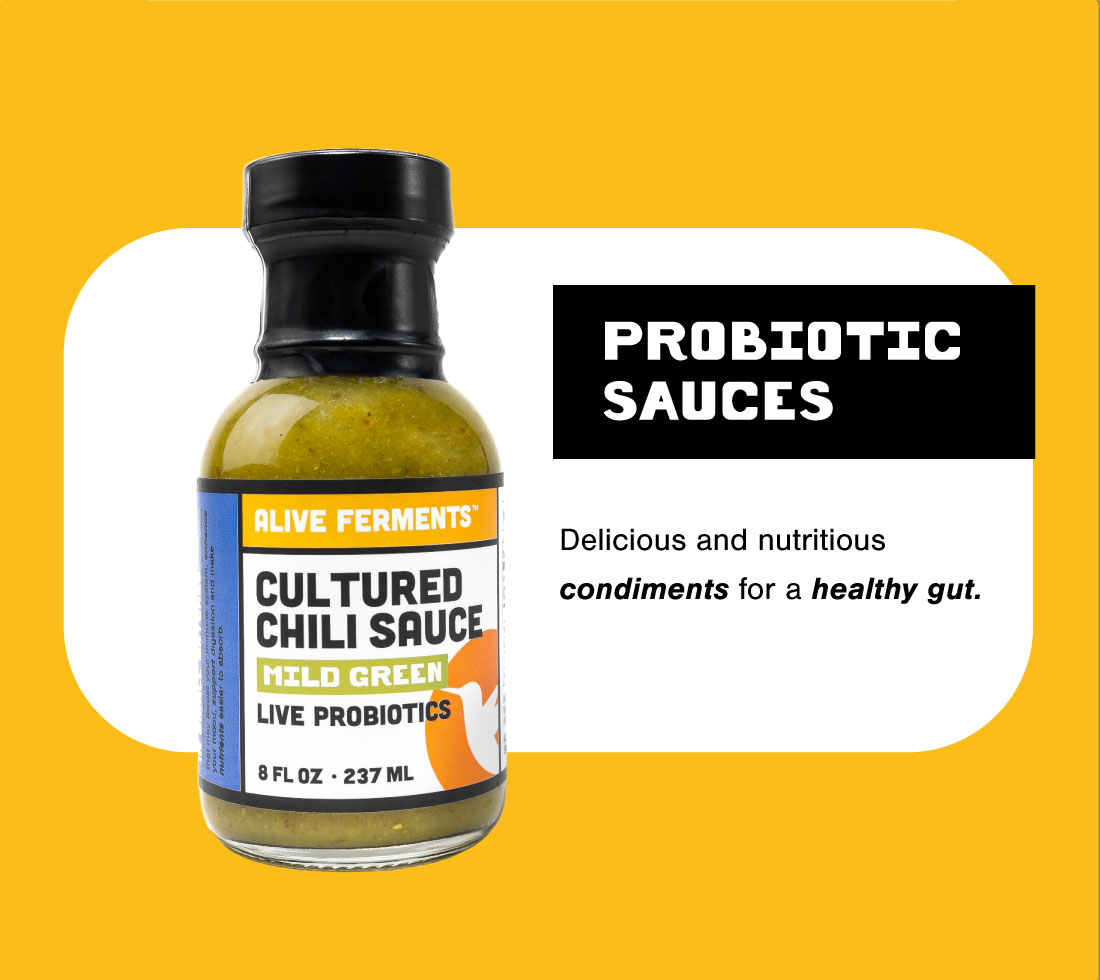

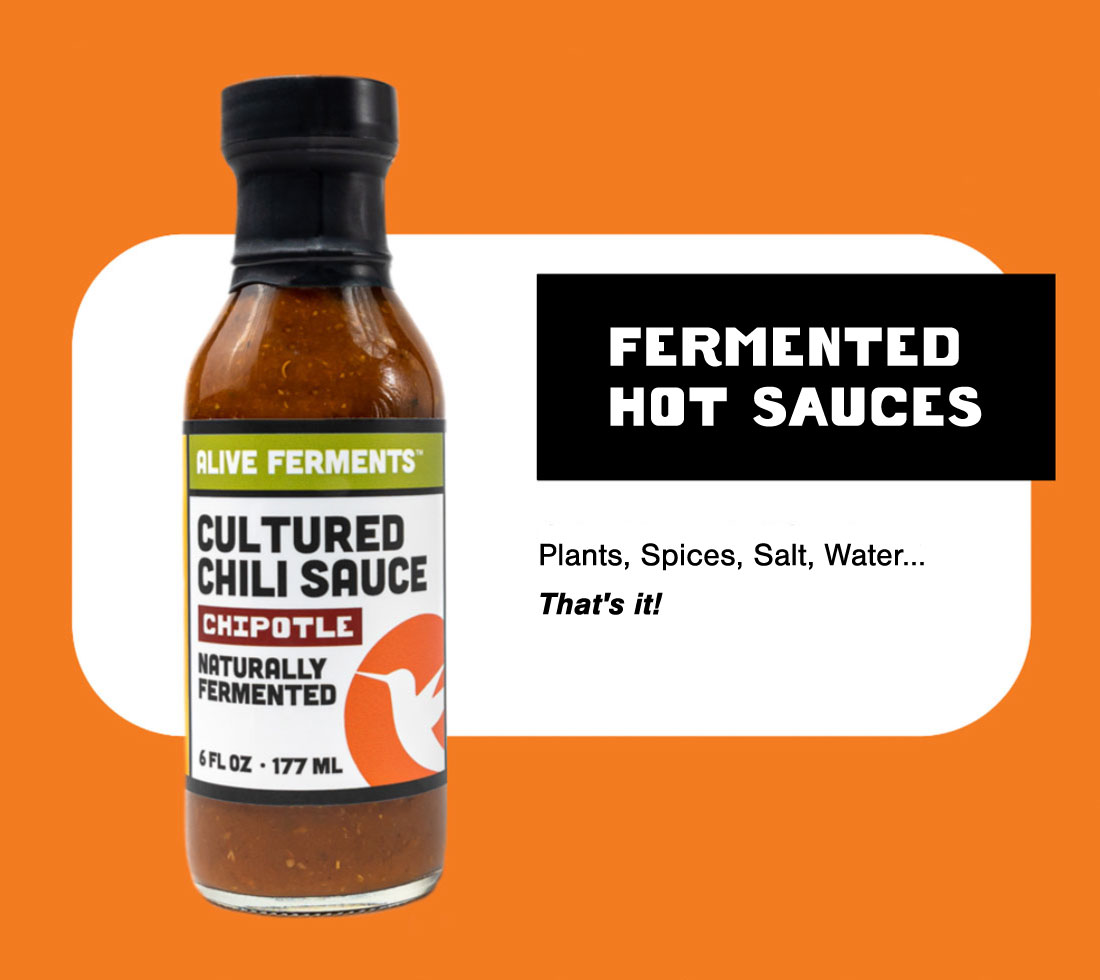


TESTIMONIALS



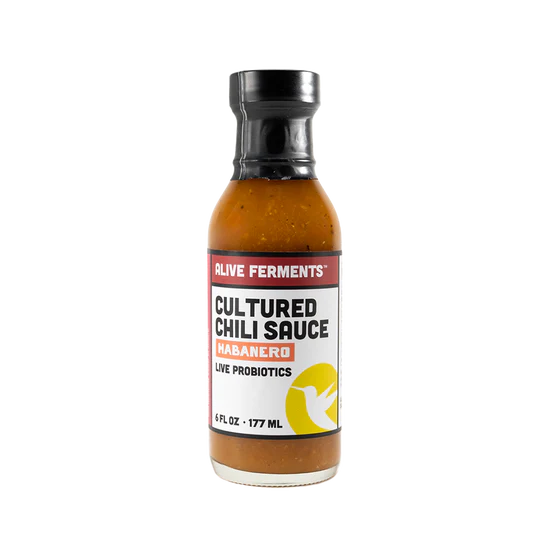

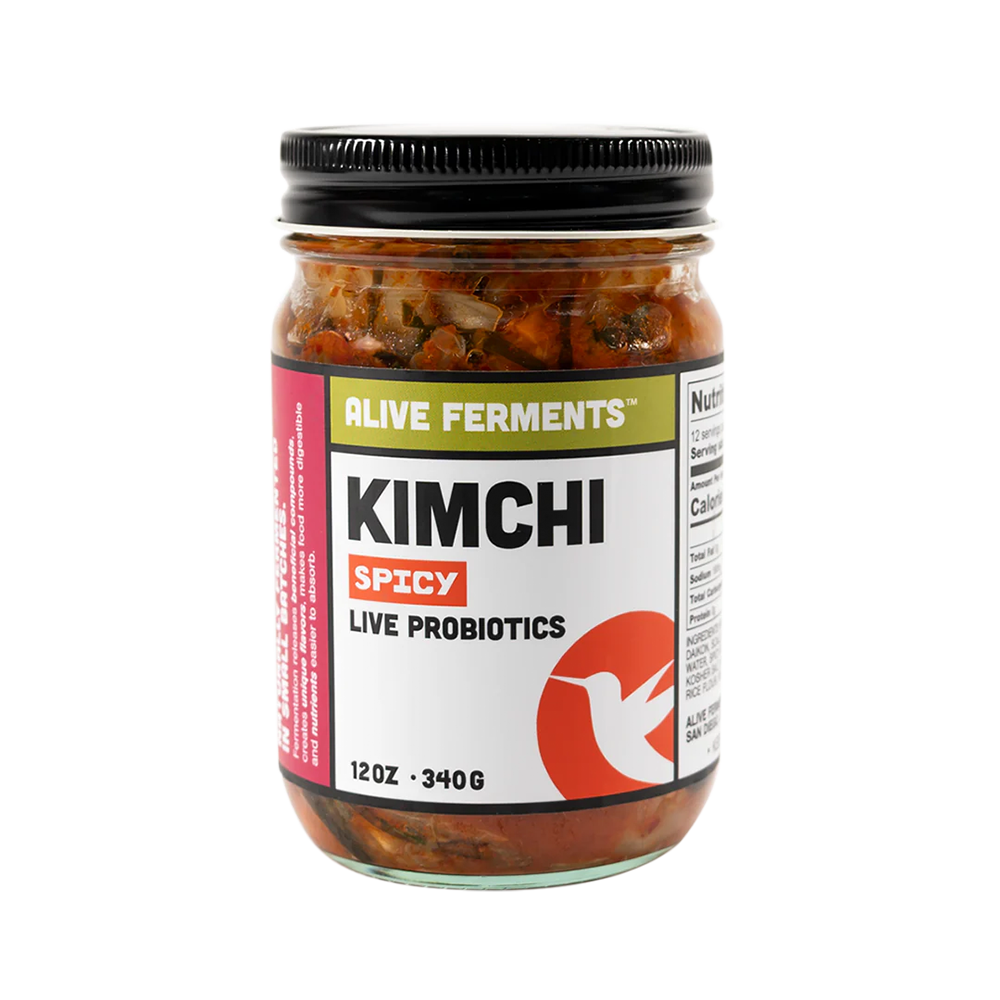
Your gut remembers what modern food forgot.
Your gut has been waiting for this.
SOCIALIZE WITH US

Press
BUY AT YOUR LOCAL MARKETPLACE
Why Are Fermented Foods Good for You?
Is fermented food good for you?
We hear this question often, and the answer lies in centuries of tradition backed by modern science. These foods don't just feed you—they nourish you deeply.
Why Are These Foods So Good for Your Body?
The live cultures found in many fermented foods can support digestion and a diverse gut microbiome, which plays an important role in digestion and nutrient absorption.
Improved Digestion
Many fermented foods contain live cultures and fermentation-derived compounds that can support healthy digestion. They can also support a healthy gut microbiome, which plays an important role in digestion and nutrient absorption.
Gut Health and Immune Function
The gut microbiome and gut barrier both play important roles in normal immune function.
Eating fermented foods can support gut health by helping maintain a healthy gut microbiome and gut barrier, both of which play important roles in normal immune function.
Why are fermented foods so nutritious?
Fermentation can increase the bioavailability of certain nutrients and beneficial compounds, including some B vitamins, vitamin K, and antioxidants.
Fermentation can also change the nutritional profile of a food, producing or increasing certain beneficial compounds as microorganisms transform the original ingredients.
A Balanced Body Begins with Digestion
Your digestive system plays an important role in how your body breaks down food and absorbs nutrients. Fermented foods can support healthy digestion and a diverse gut microbiome through the live cultures and compounds created during fermentation. Including a variety of fermented foods in a balanced diet is a simple way to support digestive health and overall wellness.
A Comprehensive Fermented Foods List
If you’re looking to include more fermented foods in your diet, here’s an essential fermented foods list featuring some of the most popular and accessible options to get you started.
Fermented foods are found in cultures around the world, with each tradition bringing something different to the table:
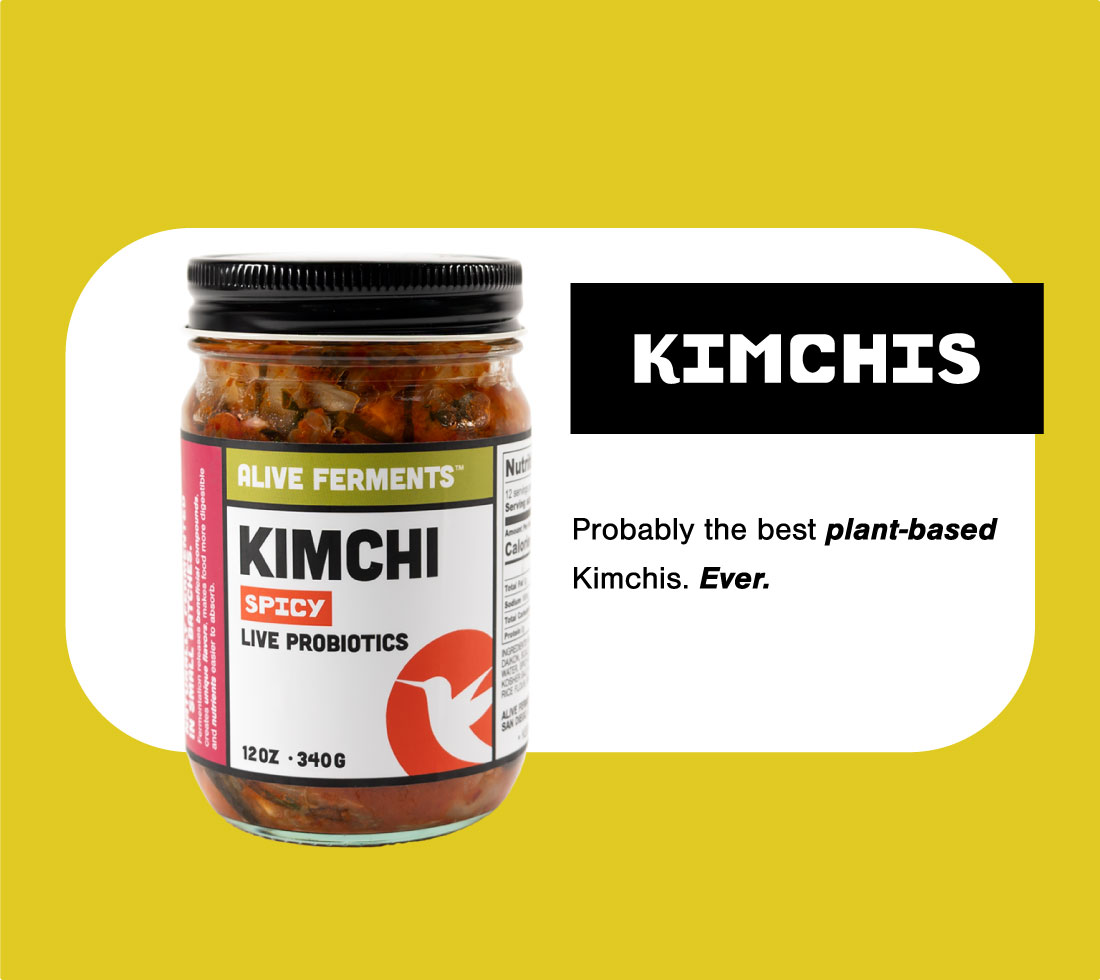
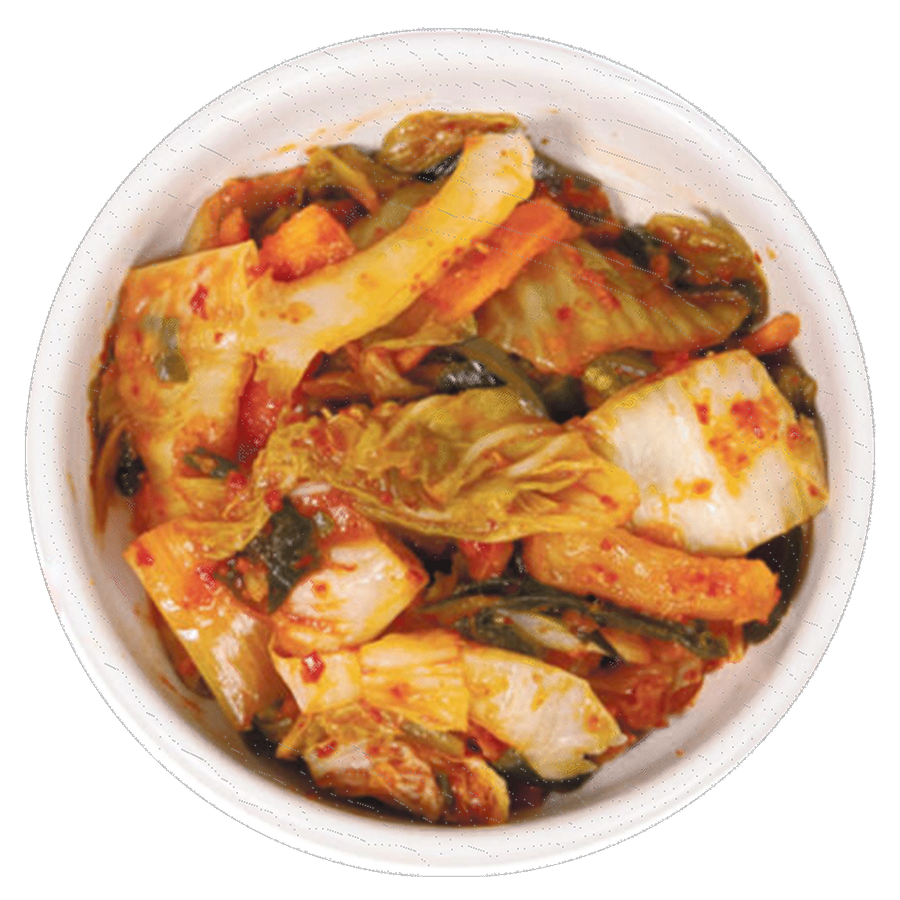
Kimchi: A spicy Korean side dish made from fermented cabbage and radishes.
Sauerkraut: Cucumbers naturally fermented in brine for a satisfying crunch and savory flavor.
Kombucha: A fizzy fermented tea known for its distinctive tangy flavor and fermentation-derived cultures.
Miso: A Japanese seasoning paste traditionally made from fermented soybeans.
Fermented Pickles: Cucumbers naturally fermented in brine for a crunchy texture and tangy flavor.
Adding different fermented foods to your diet brings variety to your meals along with a diverse range of live cultures, nutrients, and compounds produced during fermentation.
How to Incorporate Fermented Foods into Your Diet
Adding fermented foods to your diet doesn’t need to be complicated. They can easily become part of meals and snacks you already enjoy. Here’s how to begin:
Start Gently
Let your body welcome these new foods. Begin with a spoonful, a sip, a taste. Your gut will tell you when it's ready for more.
Make Them Part of Your Day
A splash of kombucha with breakfast, a spoonful of kimchi with lunch, and a pickle with your afternoon snack—simple moments that add to daily nourishment.
Let These Foods Inspire You
Add some miso to your soup, dress your salad with a kombucha vinaigrette, or top your rice bowl with some tangy kimchi.
Explore Different Fermented Foods
Each fermented food brings its own family of probiotics and unique nutrients to your plate. Try new ones often to give your gut a rich diversity of beneficial bacteria.
Frequently Asked Questions
What is fermented food?
Fermented food is simply food or drink that’s been transformed through fermentation.
And it’s probably more familiar than you think.
Chocolate, coffee, beer, yogurt, kimchi, sauerkraut, and miso all rely on fermentation as part of how they’re made. Fermentation can create the tangy flavors we love and, depending on the food, live cultures and other beneficial compounds.
Is fermented food good for you?
Absolutely! Fermentation can make food more digestible, transform nutrients, create beneficial compounds, and, in many naturally fermented foods, provide live cultures that support gut health.
It can also transform foods in ways we often take for granted.
Coffee, chocolate, yogurt, kimchi, sauerkraut, and miso all depend on fermentation to become the foods and flavors we know.
So yes, fermented food can be good for you in many different ways, and not every fermented food has to offer the same benefits.
How often should I eat fermented foods?
Fermented foods can be enjoyed daily, and consistency matters more than quantity.
Start with a small serving and make fermented foods a regular part of your meals rather than eating a large amount all at once.
If you’re new to them, give your body time to adjust and find the amount that feels right for you.
Are fermented foods suitable for everyone?
Most people can enjoy fermented foods as part of a balanced diet.
Individual dietary needs and sensitivities vary, so if you have a health condition, food sensitivity, or specific dietary concerns, check with your healthcare professional about what’s right for you.
Discover the Best Fermented Products
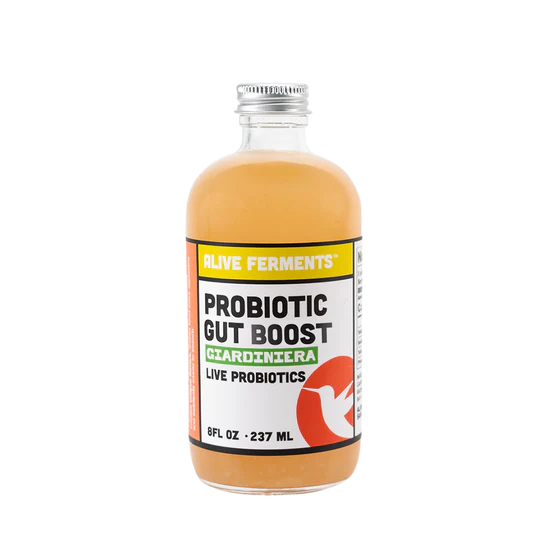
Alive Ferments offers a curated selection of high-quality fermented foods made to support gut health and wellness without making healthy eating feel like another thing on your to-do list. From probiotic-rich condiments to Gut Boosts, we make ferments that are full of flavor and easy to work into the foods you already love. Because the best way to make fermented foods part of your diet is to make food you genuinely want to eat.
Naturally fermented living foods for better digestion and stronger immunity.